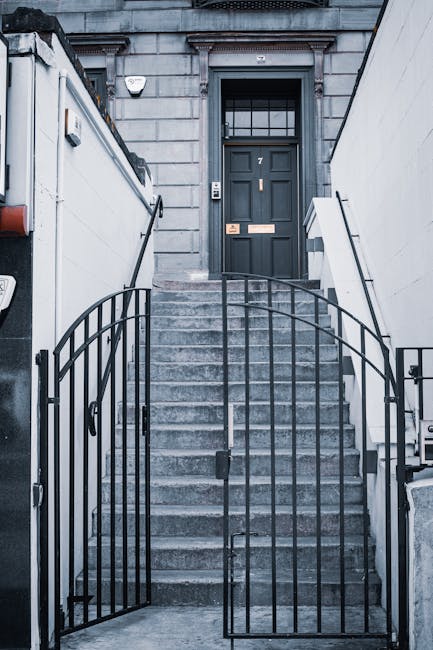
Thornton Heath Flat Removals with stairs and lifts

Moving out of a flat in Thornton Heath can be straightforward on paper and a bit awkward in real life. One minute you are measuring a sofa, the next you are staring at a narrow stairwell, a lift that looks just about big enough for a suitcase, and a landing with nowhere sensible to turn. If that sounds familiar, this guide to Thornton Heath Flat Removals with stairs and lifts is for you. It explains how the move works, what makes flat access tricky, what to prepare, and how to avoid the small mistakes that turn a normal removal day into a long, sweaty one. Truth be told, it is usually the access details, not the distance, that decide how smooth a flat move feels.
Whether you are moving from a converted Victorian flat, a purpose-built block, or a newer apartment with a lift that only half cooperates, the basics are the same: plan the route, protect the property, and move in the right order. A good removal plan saves time, reduces risk, and keeps everyone calmer. That matters even more in a busy part of South London where parking, stair access, and building rules can all change how the day unfolds.
This article covers the practical side of flat removals with stairs and lifts, plus the little things that make a big difference on the day. You will find a step-by-step approach, expert tips, a realistic comparison of access options, and a checklist you can actually use. If you are still comparing moving options, you may also find the broader guidance on flat removals in Croydon useful, along with the company's services overview and pricing and quotes information.
- Why Thornton Heath Flat Removals with stairs and lifts Matters
- How Thornton Heath Flat Removals with stairs and lifts Works
- Key Benefits and Practical Advantages
- Who This Is For and When It Makes Sense
- Step-by-Step Guidance
- Expert Tips for Better Results
- Common Mistakes to Avoid
- Tools, Resources and Recommendations
- Law, Compliance, Standards, or Best Practice
- Options, Methods, or Comparison Table
- Case Study or Real-World Example
- Practical Checklist
- Conclusion
- Frequently Asked Questions
Why Thornton Heath Flat Removals with stairs and lifts Matters
Flat removals are not just smaller house removals. They often involve tighter corridors, shared entrances, awkward parking, and the sort of access issues that only seem obvious once you are already carrying a wardrobe. In Thornton Heath, where many properties are in converted buildings or apartment blocks, stairs and lifts are often part of the job rather than an exception.
That matters for three simple reasons. First, access affects safety. A bad lift plan or a rushed staircase move can lead to knocks, scrapes, or worse. Second, access affects timing. A move that should take two hours can stretch much longer if the team has to keep stopping to rearrange routes. Third, access affects cost. Not because anyone is trying to be difficult, but because extra labour, waiting time, or special handling can change the amount of work involved.
There is also a practical side people sometimes overlook: building relationships. If you are moving out of a block with other residents around, you want the job to feel controlled and considerate. Nobody enjoys being the person blocking the landing at 8:30 in the morning while someone else is trying to get to work with a coffee in hand. A tidy, well-managed move makes life easier for everybody.
For a local move, it can also help to understand the wider area context. Helpful background reading includes home transactions in Croydon and the broader local insight in Croydon: a local's guide to living well. These aren't moving manuals as such, but they help frame what local movers often deal with: timing pressure, building access, and neighbourhood logistics.
Expert summary: the smoother a flat move feels, the more likely it is that access was planned properly before moving day. Stairs and lifts are not a side note; they are the route map.
How Thornton Heath Flat Removals with stairs and lifts Works
The process usually starts with access, not boxes. That surprises some people, but it is the right place to begin. Before any lifting happens, the removal team needs to know how furniture will leave the flat, where the van can park, whether the lift can be used, and whether the building has any rules about moving hours or protective coverings.
In a typical flat move, the work unfolds in a sensible order:
- Access check: the team looks at stair width, lift size, ceiling height, turns on the stairs, and any obstructions.
- Parking plan: the van is placed as close as possible to reduce carrying distance and avoid unnecessary lifting.
- Protection setup: floors, bannisters, and corners may be protected to reduce scuffs and impact marks.
- Load order: the heaviest or most awkward items are taken first, usually with the clearest route.
- Lift or stair move: items are moved using the safest route available on the day.
- Final sweep: the team checks cupboards, balconies, storage areas, and communal spaces before leaving.
The real choice is often between using stairs, using a lift, or combining both. Some moves are lift-friendly in one direction but stair-only in the other. For example, you might use the lift for lighter items and the stairs for a sofa that turns badly in a small cabin. Oddly enough, the lift is not always the fastest route if the building is busy or the lift is tiny. Sometimes the old staircase wins. Let's face it, buildings do not always cooperate.
If the move also involves furniture that needs careful dismantling or wrapping, the team may lean on services like furniture removals Croydon and packing and boxes Croydon to make the process cleaner and less stressful. Good packing is not glamorous, but it saves a lot of grief.
Key Benefits and Practical Advantages
When stairs and lifts are handled properly, flat removals become much easier to manage. The benefits are not abstract. You feel them in the pace of the day, in the reduced risk of damage, and in the general lack of chaos. That last part counts for a lot.
- Less strain on you: heavy lifting up and down stairs is exhausting, especially when it has to be repeated several times.
- Better protection for furniture: measured movement means fewer bumps against walls, railings, and lift doors.
- More predictable timing: once the access route is confirmed, the rest of the job usually runs more smoothly.
- Reduced disruption in communal areas: efficient moves are less irritating for neighbours and building managers.
- Safer handling of awkward items: wardrobes, beds, white goods, and mirrors are all easier to manage with a proper plan.
There is another benefit that is easy to miss: confidence. A planned move feels calmer. You are less likely to second-guess every decision or panic when a large item reaches the bottom of the stairs. That confidence matters, especially if you are moving on a deadline or coordinating keys, cleaners, or a handover.
If you want to understand how local removals fit into a wider service mix, the removal services Croydon page is a sensible reference point, and the removals Croydon page gives a broader picture of what a full move can involve.
Who This Is For and When It Makes Sense
Thornton Heath flat removals with stairs and lifts make sense for a wide range of people, but especially for anyone living in an apartment block, converted house, maisonette, or upper-floor flat. If your building has a narrow stairwell, a lift with strict size limits, or shared access with neighbours, you are definitely in the right category.
This type of service is a strong fit if you are:
- moving out of a third-floor or fourth-floor flat
- dealing with a lift that is too small for larger furniture
- moving valuable or fragile items and want careful handling
- working to a tight schedule on completion day
- trying to avoid damage in communal hallways or stairwells
- managing the move alone or with only a few helpers
It also makes sense for students, first-time movers, and people downsizing from a larger home to a compact flat. If that sounds like you, the guide to student removals Croydon may be useful too, even if your move is not strictly academic. The access issues are often similar, just with more laundry bags and fewer framed pictures.
And if your move is part of a sale, landlord change, or chain-sensitive day, the local articles on Croydon property moves and home transactions in Croydon can help you think a step ahead. Timing is rarely just timing. It is usually timing plus access plus key handover, all at once.
Step-by-Step Guidance
If you want the move to feel manageable, break it into stages. That sounds basic, but it works. Here is the simple version we would recommend in real life.
- Measure the route. Check the width of stair turns, lift doors, hallways, and any sharp corners. A tape measure is boring, but very useful.
- Identify problem items. Sofas, wardrobes, mattresses, mirrors, and appliances deserve early attention. Anything bulky or fragile needs a plan.
- Confirm building rules. Ask whether there are preferred moving times, lift booking rules, or requirements to protect common areas.
- Decide what travels where. Not everything needs to go in one trip. Some items can go by lift while others are safer by stairs.
- Pack in load order. Put the things you need first near the exit and keep small loose items boxed, labelled, and closed.
- Reserve parking or make a parking plan. The shorter the carry from van to entrance, the better.
- Prepare for dismantling. Beds, table legs, and certain wardrobes often move better when partially taken apart.
- Keep essentials separate. Kettle, chargers, medication, documents, and a change of clothes should not vanish into a random box.
- Walk the route before the first lift. Seriously, do one dry run. It takes a minute and can save a headache.
- Do a final check. Look behind doors, under beds, in cupboards, and on balconies before the van leaves.
A good move is rarely heroic. It is just tidy. Bit by bit. For secure payment planning and peace of mind around booking terms, the pages on payment and security and terms and conditions can be helpful when you are comparing how a move is organised.
Expert Tips for Better Results
The small details make the difference here. In our experience, the jobs that go best are the ones where someone has thought about the building, not just the belongings.
- Use furniture sliders and blankets where appropriate. They reduce friction and help protect flooring. Not a miracle cure, but a sensible safeguard.
- Label lift-favourite items clearly. If something must stay upright or cannot be stacked, say so on the box or wrap.
- Keep a clear corridor to the door. One narrow pile of boxes in the wrong place can slow the whole move.
- Take photos of awkward items before dismantling. This makes reassembly less of a puzzle later. Future you will be grateful.
- Protect corners and banisters early. It is much easier to prevent marks than to explain them after the fact.
- Have a lift fallback. If the lift is unavailable, do not assume the job is ruined. A stair plan may still work perfectly well.
If your move includes a piece that needs delicate handling, such as a piano or large framed artwork, it is worth treating it as a specialist item rather than "just another box". The page on piano removals Croydon is a good reminder that some items deserve extra care and the right equipment.
Here is a slightly old-school tip, but a good one: keep a pen in your pocket. You will need it for labels, notes, or the one box you forgot to mark properly. Happens all the time.
Common Mistakes to Avoid
Most flat move problems are preventable. That is the frustrating bit. They usually happen because the access route was assumed rather than checked.
- Not measuring the furniture. A sofa may look fine in the lounge and fail completely at the first turn on the stairs.
- Assuming the lift will be available all day. Building lifts can be busy, booked, or temporarily out of action. It happens.
- Leaving packing until the last minute. Loose items slow everything down and increase the chance of damage.
- Ignoring communal areas. Scraping walls or blocking fire exits is a bad look and can create avoidable hassle.
- Forgetting parking logistics. A long carry from the van can turn a quick job into a slog.
- Not warning neighbours if needed. A simple heads-up can prevent complaints and reduce friction on the day.
One more thing: do not underestimate the emotional side of the day. Even a small flat move can feel big when it is your home, your routine, and your boxes of half-packed life. That is normal. You do not need to pretend it is a tiny admin task. It is a proper moment.
If something goes off-plan, it helps to know how issues are handled. The company's complaints procedure, insurance and safety, and health and safety policy pages are useful reassurance points when you are checking how seriously a provider approaches risk and accountability.
Tools, Resources and Recommendations
You do not need a van full of specialist equipment to make a flat move work, but a few simple tools make a real difference. Nothing fancy. Just useful.
- Measuring tape: essential for stair widths, lift openings, and furniture dimensions.
- Sturdy boxes: especially for books, kitchenware, and anything dense.
- Blankets and wraps: good for protecting furniture edges and door frames.
- Marker pens and labels: make unpacking faster and reduce confusion.
- Basic toolkit: helpful for dismantling bed frames, removing table legs, and opening battery compartments.
- Gloves and sensible footwear: not glamorous, but worth it when stairs are involved.
From a planning point of view, a useful starting place is the company's our prices page if you want a general sense of how services are structured. If you prefer a broader overview before deciding, the removal companies Croydon page may also help you think through what to compare.
For local perspective and moving-day practicality, it can also be helpful to read about nearby access-heavy jobs like East Croydon station removals made simple and Boxpark Croydon removals insider tips for tight access jobs. Different locations, same lesson: the route matters.
Law, Compliance, Standards, or Best Practice
For flat removals, the main compliance concern is not some dramatic legal point. It is careful, responsible working in shared spaces. In the UK, that usually means respecting building rules, handling items safely, and avoiding damage to common areas. Simple enough in theory, but worth doing properly.
Best practice usually includes:
- keeping pathways clear where possible
- using safe lifting techniques and team lifting for awkward items
- protecting floors, walls, and doors when necessary
- checking lift suitability before loading
- avoiding fire exits, communal blockages, and unnecessary obstruction
- staying mindful of noise and neighbour disruption
If you are moving from a managed block, there may also be building-specific rules about lift padding, booking slots, or preferred access times. These are not universal, so it is best to confirm them directly rather than guessing. A quick check before move day can prevent a lot of awkwardness. Nobody wants to be that person arguing with a concierge at the door. Not a great start.
For more about the company's values and standards, the about us, recycling and sustainability, privacy policy, and modern slavery statement pages all help build a clearer picture of how a professional removals service is run.
Options, Methods, or Comparison Table
There is no single best method for every flat move. The right choice depends on the building, the furniture, and how much time you have. This comparison should help you think it through.
| Method | Best for | Advantages | Trade-offs |
|---|---|---|---|
| Stairs only | Small flats, lighter loads, lift unavailable | No waiting for a lift, simple route, reliable if the stairwell is wide enough | More physical effort, slower with heavy items, higher chance of scuffs if rushed |
| Lift only | Modern blocks, medium-size items, managed buildings | Less carrying, easier on the body, better for repeated trips | Lift size limits, possible queues, risk of delays if the lift is shared |
| Mixed route | Most real-world flat removals | Flexible, practical, and often the smoothest option overall | Needs a bit more planning and route coordination |
| Specialist handling for awkward items | Pianos, large mirrors, antiques, oversized furniture | Better protection, less risk, more control | May take longer and need extra preparation |
In many Thornton Heath flats, the mixed route is the winner. Use the lift where it genuinely helps, use the stairs where they are safer or faster, and do not force furniture through a route that clearly hates it. It sounds obvious, but people do it anyway.
Case Study or Real-World Example
Here is a realistic example from the kind of move people often face, without dressing it up too much.
A couple moving out of a second-floor Thornton Heath flat had a three-seater sofa, a bed frame, two wardrobes, a washing machine, and the usual stack of kitchen boxes. The building had a lift, but the lift was small and the door opening was tighter than expected. The sofa would not fit safely without risking damage to the upholstery and the lift panels.
So the move was split. Smaller boxes and loose items went by lift. The bed frame was dismantled in advance and moved in sections. The sofa went down the stairs with two people guiding and one person spotting at the corners. The washing machine was handled with a proper route check before moving. It took a bit more thinking at the start, but the day ran steadily and nothing was forced. No drama, no dents, no last-minute panic.
That is the main lesson, really. A flat move with stairs and lifts works best when the route is chosen item by item, not guessed as one single plan. The couple said afterwards that the pre-move measurements probably saved them an hour, maybe more. That sort of thing rarely feels exciting at the time, but you notice it when the van pulls away on schedule.
Practical Checklist
Use this as a quick pre-move checklist. It keeps things honest.
- Measure all major furniture items
- Check stair width, turns, and lift dimensions
- Confirm lift access and booking rules, if any
- Ask about parking or loading access near the entrance
- Protect floors, corners, and bannisters where needed
- Label boxes by room and priority
- Separate essential items for easy access
- Disassemble bulky furniture in advance if possible
- Let neighbours know if the building is likely to be busy
- Keep keys, documents, and charging cables in one known place
- Check cupboards, balconies, and storage spaces before leaving
- Keep a plan B in case the lift is unavailable
If you are preparing a broader move, it may also help to review house removals Croydon and man and van Croydon so you can judge what level of support fits your situation best.
Get a free quote today and see how much you can save.
Conclusion
Thornton Heath flat removals with stairs and lifts are all about planning the route before the boxes start moving. If you get the access right, everything else becomes easier: packing feels simpler, furniture handling becomes safer, and the day is far less stressful. That is especially true in flats where stairwells are tight, lifts are small, or communal areas need careful handling.
The best results usually come from a calm, measured approach: measure first, decide the route, pack in the right order, and allow for one or two surprises. Because there usually are a couple, let's be honest. But with the right preparation, those surprises stay small, not disastrous.
And when the last box is in and the door finally closes, it is a good feeling. Quiet, earned, and a little bit relief-filled. That part never really gets old.
Frequently Asked Questions
Do flat removals in Thornton Heath always need stairs or lift planning?
Most do, yes. Even if you have a ground-floor flat, the route from the front door to the van still matters. For upper-floor homes, stair and lift planning becomes a core part of the move rather than a nice extra.
What if the lift is too small for my sofa or bed?
Then the item may need to go by stairs, be dismantled, or be wrapped and moved another way. This is why measuring in advance is so useful. You do not want to discover the problem while standing in the hallway with a sofa halfway in, which is never a fun scene.
Is it better to use stairs or a lift during a flat move?
It depends on the item and the building. Lifts are usually easier for repeated trips and heavy boxes, while stairs can sometimes be faster for awkward or oversized items if the route is clear. Many real moves use both.
How do I prepare a flat for removal day?
Start by packing and labelling boxes, clearing walkways, measuring furniture, and checking access. It also helps to separate essentials, dismantle large items where possible, and confirm any building rules about moving times or lift use.
Will movers protect my stairs and communal areas?
Professional movers will usually take precautions where needed, but the level of protection can depend on the property and the job. Floor coverings, corner protection, and careful handling are common best practices in managed buildings.
Can I move on the same day if my flat has stairs and no lift?
Sometimes, yes. It depends on the amount of furniture, the number of helpers, and how manageable the stair route is. Smaller moves are more likely to suit a same-day arrangement, while larger loads may need more time and planning.
How can I avoid damaging walls or bannisters?
Measure the route, protect surfaces where appropriate, and move bulky items slowly with someone spotting at tight turns. Rushing is usually what causes scrapes. A careful pace is not glamorous, but it works.
What items are hardest to move in a flat with stairs and lifts?
Wardrobes, sofas, mattresses, washing machines, large mirrors, and beds are common troublemakers. Pianos and antiques need extra care. Anything large, heavy, fragile, or oddly shaped deserves a plan before move day.
Should I warn my neighbours before moving?
It is often a good idea, especially in shared buildings. A simple heads-up can reduce complaints, and it can make the day feel friendlier. Nobody likes surprise stair traffic early in the morning.
How far in advance should I arrange a flat removal?
As early as you can, especially if the property has access restrictions or you are moving at the end of the month. Early planning helps with packing, parking, and any building-specific arrangements. The more complex the access, the more useful lead time becomes.
What if the lift breaks on moving day?
A good team will usually adapt by switching to stairs or changing the loading plan. This is exactly why access checks and backup routes matter. It is inconvenient, yes, but it does not automatically ruin the move.
How do I know if I need a full removal service or a smaller van-based move?
Think about volume, access, and time. If you have multiple rooms of furniture or difficult stair access, a fuller service is often the safer choice. If you are moving a smaller flat with fewer items, a van-based option may be enough. If you are unsure, comparing man with a van Croydon and removal van Croydon can help you judge the difference.
Are Thornton Heath flat removals suitable for fragile or high-value items?
Yes, provided the items are packed and handled properly. For fragile pieces, it is sensible to use extra wrapping, clear labelling, and careful route planning. If the item is especially delicate, specialist handling is the wiser route.
Can I store items if I cannot move everything on the same day?
Yes, storage can be a very practical backup when timings do not line up perfectly. It can take pressure off a complicated move and help if your new place is not ready. The storage Croydon page is worth a look if that situation sounds familiar.