Croydon removals in Croydon

Our Croydon removals service is built around practical moving support for households and small businesses that want a clear, organised move without unnecessary complications. We handle the core tasks that matter on moving day: lifting, loading, transport and careful placement at the destination. If you are moving a few streets away or across the wider area, our work is focused on keeping the process orderly, predictable and suited to the items being moved.
Removal work is rarely just about the vehicle. It usually depends on access, packing quality, item size, stairways, parking and the amount of handling needed before anything can safely travel. That is why we treat each move as a sequence of decisions rather than a single lift. Planning the route, protecting the load and arranging the right support all help the move run more smoothly. For an initial look at how our service is structured, you can review our removal services page.
We also understand that customers often need different levels of help. Some want a straightforward transport-only move, while others prefer help with dismantling, packing or heavier pieces of furniture. If you want a broader overview of the kind of work we cover, our removal services section gives a useful summary. For a simple next step, send your moving details and ask for a quotation.
House moves planned around your furniture and rooms
Home removals are often most efficient when the furniture, boxes and loose items are handled in a sensible order. Larger pieces normally need to move first so that routes inside the property stay open and the loading space is used well. Sofas, wardrobes, beds, tables and appliances can all require different handling, especially where there are narrow halls or upstairs rooms. Our home moves page is a helpful starting point if you are planning a domestic move and want to see the service in more detail.
Where a home contains items that need a little extra care, the packing stage can matter just as much as the lift itself. Good packing reduces shifting in transit, helps protect fragile belongings and makes it easier to place everything in the right room afterwards. If you need help before moving day, our packing and unpacking services page sets out that support clearly. Careful packing and sensible labelling can save time when the move is being unloaded.
Useful preparation usually comes down to practical points rather than complicated arrangements. It helps to know which rooms hold the larger items, whether anything must be dismantled, and whether access at either end may affect the vehicle or carrying distance. A short list of items, plus clear notes on stairs or parking, is often enough to shape the move properly. If you already have those details ready, request a quotation and we can take the next step with you.
Furniture, lifting and moving support for heavier items

Some moves involve a handful of awkward pieces rather than a full property. That might include heavy furniture, boxed items, or possessions that are difficult to carry safely without support. In those cases, the key is not simply moving everything fast; it is moving it in a way that protects the item, the property and the people involved. Our furniture pick-up page is relevant where individual pieces need collection and delivery rather than a full house move.
Furniture transport can require judgement about grips, turning space, disassembly and loading order. A solid wooden cabinet and a modular desk do not behave in the same way, and neither do mattresses, shelving or white goods. Where dismantling is sensible, we can factor that in before transport. Where items must stay assembled, we plan the handling around their size and shape. Our house movers page offers another route into the domestic moving service for customers comparing options.
For customers who only need a van and practical lifting help, the service can also be kept focused and efficient. Transport, loading and unloading are the central tasks, and the amount of help is matched to the items rather than padded with unnecessary extras. If you are unsure whether your furniture collection needs a small move or a full removals team, ask for a quotation and describe the largest items first.
Commercial removals and office relocation
Business removals need a different rhythm from domestic work because the priority is often continuity as well as transport. Desks, chairs, files, monitors, storage units and meeting-room furniture may all need careful sequencing so the workplace can be emptied or re-set in a sensible order. Our commercial moves page is a useful option for companies that need structured removal support for offices or other working premises.
Office relocation work can also include equipment that requires extra attention during loading and unloading. Filing systems, presentation items and IT-related furniture are often best handled with a clear inventory so nothing is missed. Where a business wants a dedicated move for work premises, the office removals page explains that service route. Keeping the plan simple and documented helps reduce confusion when several rooms or departments are being moved.
For many commercial customers, preparation is about sequence rather than volume. Identify which items are to be moved, which are to stay, and whether any parts of the move need to happen outside normal working hours. A brief room-by-room list can be more useful than a long description. If your office or premises move is approaching, contact us for a quotation and we can discuss the practical details.
Vehicle options and moving-day capacity

The right vehicle matters because removals are not only about how much fits inside, but how safely the load can be arranged. A vehicle should allow for secure stacking, reasonable access and enough room to keep the items stable in transit. Our moving van page covers a simple transport option, while the moving truck page is more relevant where a larger load needs greater capacity.
Different load sizes can also affect how the move is carried out at collection and delivery. A smaller van may suit a limited set of furniture and boxes, whereas a larger vehicle may be more practical for a fuller property move or a longer list of commercial items. The aim is not to overstate capacity, but to match the vehicle to the actual job. Our removal van page is another useful reference point for transport-led moves.
If you are trying to decide between a compact collection and a fuller removal arrangement, it helps to think about the largest item first and the rest of the load second. That approach makes it easier to work out whether the move is a one-trip job or something that needs more space. Tell us what must go, what can be carried separately and what needs careful handling, then request a quotation.
Packing, dismantling and preparing items for transit
Packing is one of the most important parts of a move because it affects both protection and efficiency. Boxes that are overfilled, fragile items left loose, or drawers that are not secured can all create unnecessary strain when loading begins. Our packing and unpacking services page is useful if you want help turning a disorganised collection of belongings into something ready to travel.
Some furniture and larger belongings are easier to move once they have been dismantled into sensible sections. Beds, wardrobes and certain shelving units may become safer to carry when they are broken down beforehand, provided they can be reassembled properly later. Where dismantling is needed, it should always be done with the structure and fittings in mind. That is one reason a clear moving plan helps more than rushed effort on the day.
Before moving day, it usually helps to separate essentials from the rest, keep small components together and label items that belong to a specific room. These steps do not have to be elaborate. A few simple notes can reduce delays and make unloading more orderly. If you want to combine packing support with removals, you can ask for a quotation and describe which rooms or items need that extra help.
How we approach removals work
Good removals work is usually built on straightforward decisions: what is being moved, what needs protection, what needs dismantling and what order makes the most sense for loading. We focus on those practical issues so the move feels manageable rather than improvised. If you want a general overview of the company side of the service, our removal company page gives a simple route into the wider offering.
For some customers, a removals service is about more than transport alone. It may include careful handling of household contents, movement of office equipment, furniture pick-up or a mix of those tasks across one day. The relevant choice is the one that matches the actual job, not the biggest-sounding option. You can also look at our movers page if you want to see how the service is presented more generally. Keep your moving notes concise and practical when you are ready to enquire.
What helps most is clear information on the items and access points. A brief description of stairs, parking, long carries, large furniture and fragile pieces is often enough to shape a quotation sensibly. If you have photos or a list, include them; if not, a straightforward description still helps. Simple details make planning easier, and they usually lead to a more useful estimate.
About Croydon
Croydon is a large town in South London with a long history as a market centre and transport hub. It grew around the historic core near the old market and parish church, and over time it developed into one of the major commercial and administrative centres of south-east London. The town has a dense urban character, with a mix of Victorian streets, post-war redevelopment and newer tall buildings that mark the modern skyline. Central Croydon is closely associated with shopping streets, offices and transport links, while the broader borough includes quieter residential districts and green spaces that give the area a varied character. Tram services, rail stations and main roads connect Croydon strongly with the rest of London and with Surrey to the south, which has shaped how the town functions for work, shopping and travel. Among the better-known landmarks are the Fairfield Halls, the Whitgift and Centrale shopping areas, and Croydon Minster, which reflects the area’s deeper ecclesiastical history. Parks such as Lloyd Park and Wandle Park add open space and leisure value, while the River Wandle provides one of the most distinctive natural features in the wider district. Croydon’s built environment also tells a layered story: older conservation areas and historic buildings sit alongside commercial redevelopment, industrial remnants and modern apartment blocks. That mix makes the town feel both practical and changing, with a strong identity formed by its position, infrastructure and long-standing civic role.
House removals, route planning and practical timing
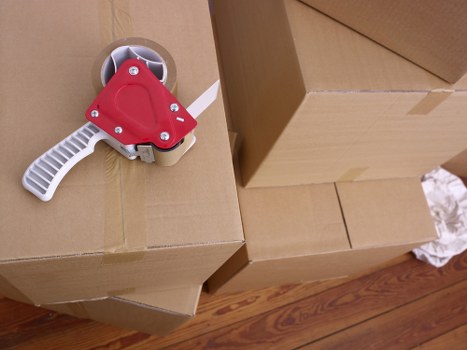
House removals often go more smoothly when the move is planned around the shape of the property rather than the clock alone. A top-floor flat, a terrace with narrow access and a larger detached home can each create different handling demands. That affects the sequence for loading and unloading, and it can also affect how many people are needed to move the contents safely. Our house removals page is the clearest option for customers wanting a domestic move service.
Timing matters because it influences access to lifts, parking and the use of shared corridors or driveways. Even when the move is local, a sensible start time can make a noticeable difference if there are stairs, traffic or multiple collections. A move that is arranged with realistic timing is often less stressful than one that tries to do too much at once. If your property includes awkward access or a long carry, mention that early and request a quotation.
If you want to keep the day tidy, it also helps to set aside a few essentials in advance. Things like keys, paperwork, chargers, toiletries and a basic change of clothes are usually best kept separate from the main load. That does not need to become a long checklist; it is simply a way of making the first part of the new day easier. Send us the basics and we can help you build the move around them.
Supporting different load sizes and move types
Not every removal job is a complete house or office move. Some customers need a single collection, a partial move, or a service that bridges the gap between personal transport and a full relocation. In those cases, the useful question is how the load should be handled, not what category sounds largest. Our man and van page is a practical reference for lighter or more flexible moves that still need loading support.
Where a smaller vehicle is enough, the service can stay focused and efficient without adding complexity that the job does not need. That might suit a student move, a partial household shift or a short-distance transport arrangement with a few heavy pieces. For slightly different wording and a similar transport-led approach, you may also wish to view man with van and man with van removal as service pages on the site. The key point is to match the vehicle and handling style to the actual load.
Clear item descriptions help us understand whether the job is best treated as a full removal or a lighter transport assignment. List the largest pieces, mention anything fragile, and note whether items need to be carried up or down stairs. If you are ready to compare options, contact us and ask for a quotation.
Price factors and what shapes a quotation

Removal costs are usually influenced by a few practical factors rather than one single detail. The size of the load, the number of large items, the amount of packing needed, the access at both addresses and the distance between collection and delivery all matter. A move involving multiple flights of stairs or a long carrying distance can take a different amount of time and effort from one with direct access. Our pricing and quotes page is a sensible place to look if you want to understand how a quotation is put together.
It also helps to remember that the cheapest-looking option is not always the best fit if the move needs more handling than expected. A vehicle that is too small or a service that is too limited can create problems later in the day. The better approach is to describe the move clearly and let the quotation reflect the real work involved. If you are comparing services, our removal companies page gives a straightforward point of reference within the site.
For the most useful quote, give a basic outline of the job, then add any details that might affect loading or timing. That includes parking restrictions, the presence of stairs, any items that need dismantling, and whether you need packing or furniture pick-up as part of the same move. When you are ready, send the details and request a quotation.